Sunday, 3 June 2012

CANADIAN TIGERS

Canadian Tiger Swallowtail

Experts are divided if they are a true separate species. The book, Peterson's Field Guide Eastern Butterflies, by Paul Opler and Vichai Malikul believe so based on flight periods and host plants.

Papilio canadensis
Family Papilionidae
Canadian Tiger Swallowtail

Food: Birch, Aspen and Black Cherry

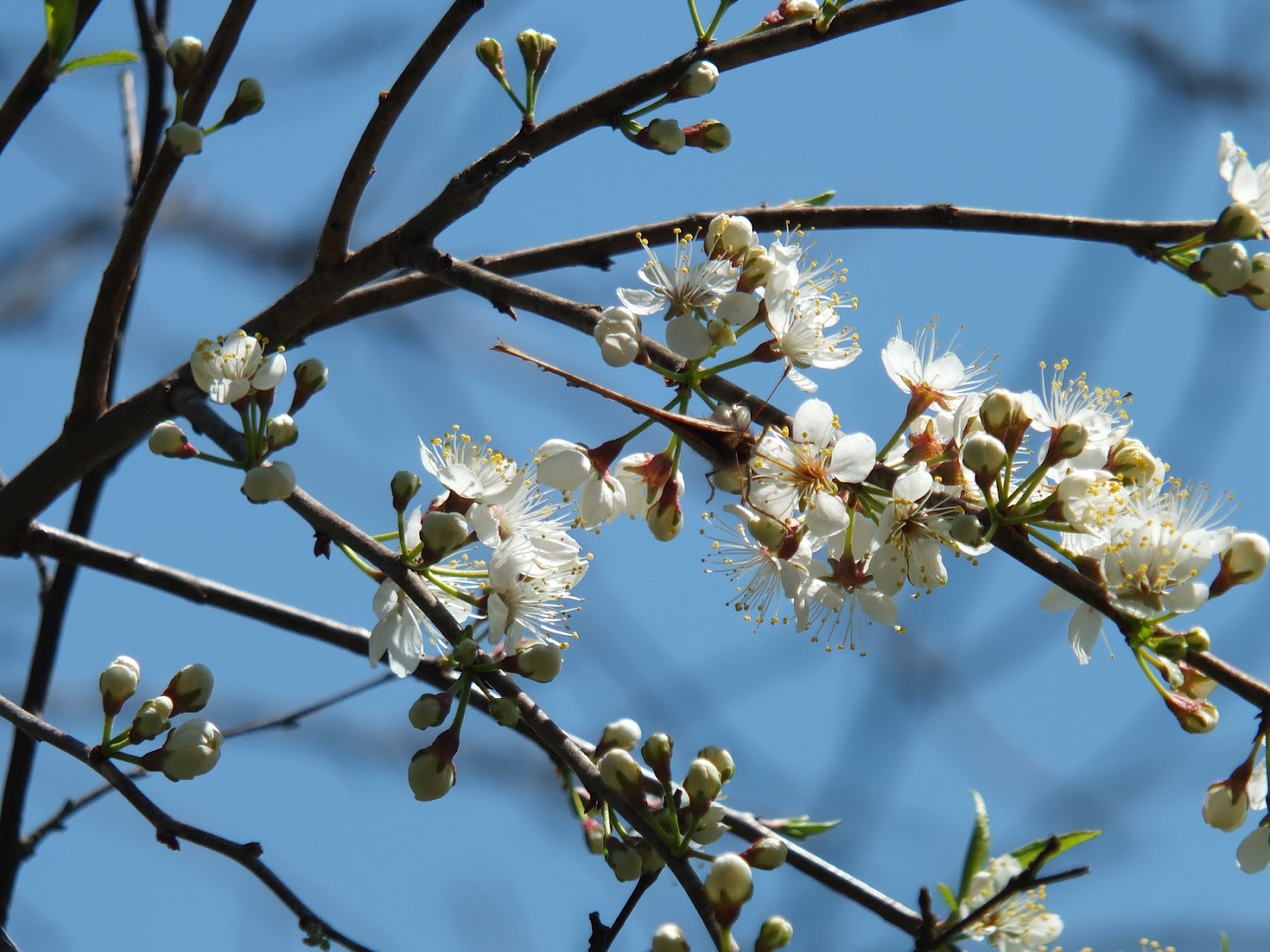
I was trying to catch it on the apple blossoms.

Flight - May to mid July

I am putting my butterfly photos into an album on Facebook.
I usually get to Facebook in a round-about way. The museum blog has a link to its' Facebook, see one of the August 2011 posts http://nipigonmuseumtheblog.blogspot.com/  Then you can access my Boreal Conflict page and get to the album of butterflies. I tried it the other day and we can get to Facebook FROM the Blog but can't get the Facebook to connect or even mention the Blog anymore.

Tiger on Orange Hawkweed June 23

June 23

June 23, 2012

Saturday, 2 June 2012

JUST HOW FREE ARE WE

Draft By-law of the Township of Nipigon

Excerpts from:

A By-law with respect to prohibiting the feeding of wildlife within the Township of Nipigon

definition of WILDLIFE = any animal that is wild by nature , excluding birds.
...
SECTION  2 - PROHIBITING FEEDING

2.1 No owner or occupier of land within the Township of Nipigon shall intentionally feed, cause to be fed or provide or make available food attractants or similar substance for the consumption of wildlife within the boundaries of the Township of Nipigon, on either private or public property.
...
...EXEMPTIONS
3.3 Bird feeders, using bird feed only.

3.5 Private vegetable gardens, flower beds and related compost stations.

I had a long talk with 'Chippy" yesterday about the "Wildlife By-law"
 that is being proposed by the Township of Nipigon,
 but I don't think it understood a word I said.

While the bird feeder with bird seed hanging above his head will be "legal",
 the fallout could be subject to a fine for enticing "wildlife".

Thursday, 31 May 2012

MOURNING CLOAK BUTTERFLY

TORTOISE SHELLS : Genus Nymphalis Kluk

Adults overwinter.
Courtship and egg-laying occur in the Spring after hibernation.
Occasionally migratory.

Mourning Cloak on Dandelion.
Nymphalis antiopa
The Mourning Cloak is one of our longest living butterflies - age to 11 months.
It also spent time on the Plum blossoms.

QUESTIONMARK BUTTERFLY

ANGLEWINGS: genus Polygonia Hubner

Another migrator.

In the plum blossoms.
Questionmark Butterfly

Wings together

Questionmark on Lupin leaves.

LADY OF THE DAY

Lady Butterflies: Genus Vanessa Fabricius

The Painted Lady and the Red Admiral are among the most widespread in the world...engage in migratory movements. The Red Admiral goes from Mexico clear up to the Hudson Bay.

Today the sun was shing and the Pin Cherry Blossoms were opening.
Red Admiral

They still like Dandelions. I let them have one last sip -
 before I got the lawn mower going.
Vanessa atalanta

American Painted Lady
Vanessa virginiensis
July 18, 2012

Tuesday, 29 May 2012

Possible Problem

You may experience a problem trying to find out what I am posting. Facebook has decided to block all blogspot URLs as too spammy. So, there goes my one way of advertising, unless you already know how to get here and I just mention a new Post without the address. By the questions on Blogger, it seems the .ca ending is the tipping point.

DAYS END AT HURKETT COVE

May 26, 2012

We ended our birding day watching for Black Scoters to fly by on their migration to the far north. We have never seen them land. They have a very narrow window of sighting days at the end of May, and it has always been in the late evening. We didn't see any this evening.

The afternoon began with an over-flight of a dozen White Pelicans.

We trekked out to the sand bar and saw a Caspian Tern, Dunlins and a Least Sandpiper.

Not quite five inches, but not afraid of large bodies staring at it.
Least Sandpiper

The Killdeer is an 8 inch bird. A lot easier to see in the camera's lens.
 Across the river one Black Bellied Plover had the sand all to itself.

Then a flock of 30 Whimbrels flew by and landed. And took off. And landed. Etc. Etc. Etc. They finally stayed put on a small sandbar off-shore and we could readily identify them through the spotting scope. They are 14 inches, with long legs and a long, down curved bill.This flock brought back memories of my first Whimbrel, on May 27, 2007, at Sawmill Point on the Nipigon River, as a huge flock (est. about 100), performed the same up and down routine (flying at tree level just over our heads), before flying off past Honeymoon Cove Point, going east along Nipigon Bay.

Home again at 10:30 P.M. I could add 15 species to my 2012 bird list from the 48 species we saw. The two bus loads of birders combined list for the day reached about 107 species.

  1. Robin
  2. Crow
  3. Raven
  4. Merlin
  5. Semipalmated Plover
  6. C. Merganser
  7. Mallard
  8. Barn Swallow
  9. Great Blue Heron
  10. Bald Eagle
  11. Red Wing Blackbird
  12. Canada Geese
  13. Tundra Swan
  14. Ringbill Gull
  15. Goldeneye
  16. Bufflehead
  17. Song Sparrow
  18. Tree Swallow
  19. Eastern Phoebe
  20. Herring Gull
  21. Grackle
  22. Blue Jay
  23. Starling
  24. Ruby Throat Hummingbird
  25. Goldfinch
  26. E. Bluebird
  27. Sandhill Crane
  28. Belted Kingfisher
  29. E. Kingbird
  30. Common Flicker
  31. Red - eyed Vireo
  32. Willow Flycatcher
  33. Ruby Crown Kinglet
  34. White throated Sparrow
  35. Downy Woodpecker
  36. Orange Crown Warbler
  37. American Bittern
  38. Kestrel
  39. Morning Dove
  40. Killdeer
  41. Turkey Vulture
  42. White Pelican
  43. Caspian Tern
  44. Least Sandpiper
  45. Whimbrels
  46. Black-bellied Plover
  47. Dunlin
  48. Pine Sisken